
What does it take to turn a life-altering setback into a global leadership journey in elite sport?
Meet Lavinia-Oana Puiu - a former Romanian international fencer who transformed injury into opportunity, and a personal dream into a mission that is reshaping women’s leadership in high-performance fencing.
This inspiring feature follows Oana’s journey from the Romanian national team to becoming Head Coach and Club Director at one of the UK’s most historic fencing institutions, and onward to the Women in Sport High-Performance Pathway (WISH) — a flagship initiative led by the International Olympic Committee, Olympic Solidarity and supported by the FIE.
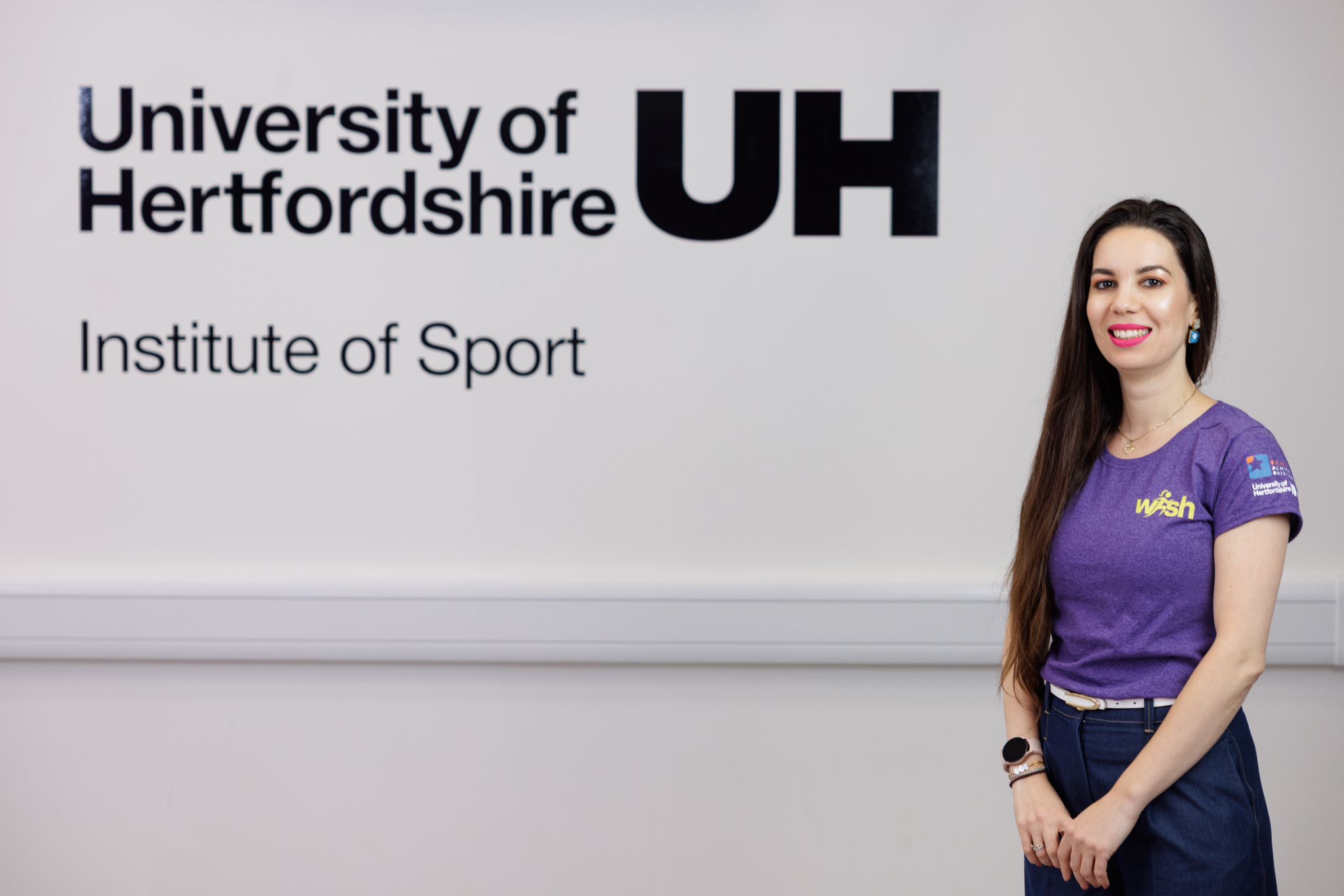
It was always Lavinia-Oana Puiu’s dream to coach her sport of fencing in another country. A native of Romania, where she coached epee for eight years, she knew a shift to working abroad would help accelerate her path in achieving her goal of becoming a high-performance fencing coach with up-and-coming elite athletes.
In Romania, Oana was a member of the national junior and cadet fencing team, where she took team gold in epee at the European Junior Championships and bronze at the Junior World Championships, among other medals and achievements. Ultimately, a serious injury motivated her move from athlete to coach.
Oana had come to the UK in 2016 and for the previous five years she coached at several other clubs including Brixton Fencing Club, home of some of Great Britain’s top Epee fencers. Later she secured a position initially as Lead Epee Coach, and then latterly Head Coach and club director, at Salle Paul Phoenix (formerly Salle Paul Fencing Club) in 2021. The prestigious Salle Paul club was founded in 1931 and established itself as the oldest and one of the most successful foil and epee clubs in the UK. The club now has over 200 members and programmes in all three weapons. Oana also serves as Director of Clubs at the UK Fencing Project (UKFP Ltd), a non-profit company, which owns the Salle Paul Phoenix club and Truro Fencing Club. UKFP seeks to create pathways for athletes from youth to elite level, as well as to grow participation and raise standards of the delivery in fencing.
Notably, this leap in coaching and Director-level responsibility has led her to the Women in Sport High-Performance Pathway (WISH) programme, a global initiative by the International Olympic Committee and Olympic Solidarity, and supported by international federations (including the FIE)Its goal? To develop elite female coaches for high-performance roles, bridging the gender gap in sports leadership via skill development, networking and career progression.
The programme overall spans 21 months, focusing on developing both leadership and high-performance skills.
For coaches such as Oana and others, it means growing in leadership, technical skills and mindset to help women reach top-level coaching positions in major competitions, including the Olympic Games.
“The [WISH] programme was more than I expected”, said Oana. Georgina Usher, a member of the FIE Women in Fencing Council and CEO of British Fencing, encouraged Oana to join: “Georgina provided great support for me, along with Jon Willis, Jon Salfield and Dusty Miller. They backed me in my new role and have helped me to achieve my goals.”
Georgina Usher, member of the FIE Women and Fencing Council, said, “I’m delighted that, for the first time ever, a fencing coach participated in this programme. This came about as a result of support from the FIE, the FIE Women and Fencing Council and collaboration between the Romanian Fencing Federation and British Fencing. I hope that Oana will be the first of many female fencing coaches who will represent the sport on this programme, and use the skills they learn to help lead and develop fencing not just in their countries but across the world.”
Coaches participating in WISH are already active within national and/or international pathways, and have shown potential to reach the highest-level events and results.
Coaches are nominated for WISH by their national OIympic committees or National Governing Body and must commit to the full programme. As of now, more than 120 women have taken part in WISH from about 60 nations and more than 20 sports, including fencing.
“It has had a significant impact by enhancing leadership abilities, technical coaching knowledge, professional confidence and global networking opportunities”, said Oana. “Many participants describe the programme as transformative for their careers and personal development, myself included.”
Oana had some insights into a number of questions regarding the role of women in sport as coaches, and in particular rising to positions in which they can influence high-performance athletes:
- FIE: What characterises the increasing importance and emphasis on developing and increasing the role of women in sports high performance?
- Oana: “Having visible female role models, at the top of sport, is essential to inspire the next generations to come into sport and stay. From my own experience, just being present and working daily in the fencing hall gives me confidence and has changed the perception of the sport. Having emotional intelligence, making the sport environment more inclusive, balanced and resilient, all reflect that there is overall more recognition of women’s leadership potential. That is why we should focus on this!”
- FIE: What notable steps, in your opinion, can women as a collective force take to secure not only equity, but a lasting leadership role and legacy in sports performance?
- Oana: Key steps include, for example, building cross-sport networks to share knowledge and opportunities; provide mentoring and supporting next generation women; creating and influencing policies that guarantee equity in hiring, funding, and development; engaging in research, public speaking and policy influence; be visible and celebrate women’s achievements. I should add - this does not always have to be focused on the highest levels of performance as we need more women to continue to participate in sport at all levels and to feel they belong.
- FIE: At a tactical level, what can each woman involved in sports do at a personal level to contribute to this very important mission and pursuit?
- Oana: I am passionate about supporting other women, and being collaborative with other women – coaches and athletes – will help us move forward together and widen access. I think it is equally important to lead by example, when each of us takes small steps, we can make big systemic changes. Being visible and sharing your story is also helpful, as it brings to life our experiences. Small steps may include participating in development programmes for coaches, accepting a place on and being an active part of a programmes, and searching for opportunities to be involved and develop your skills. Coaches can petition their local federations to apply to the FIE coaching programme. I went to a sports high school that made me a coach for young athletes and then I got a masters in sports management, and that helped a lot.