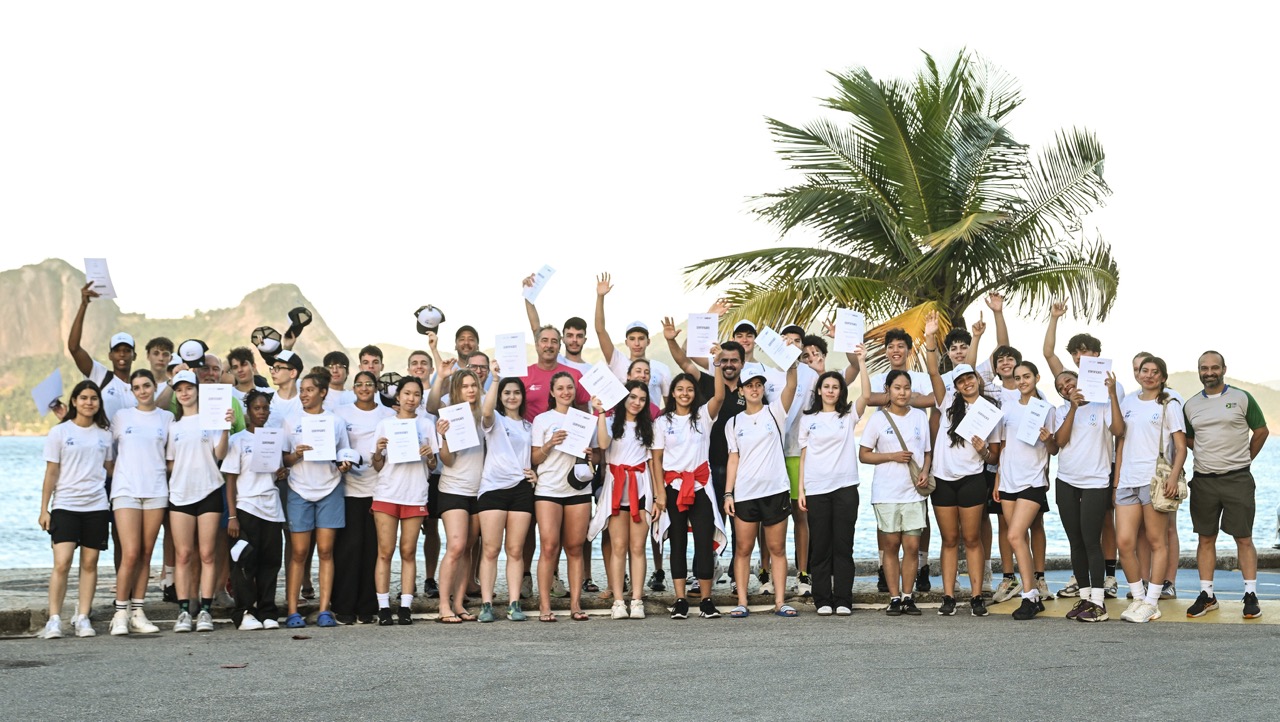
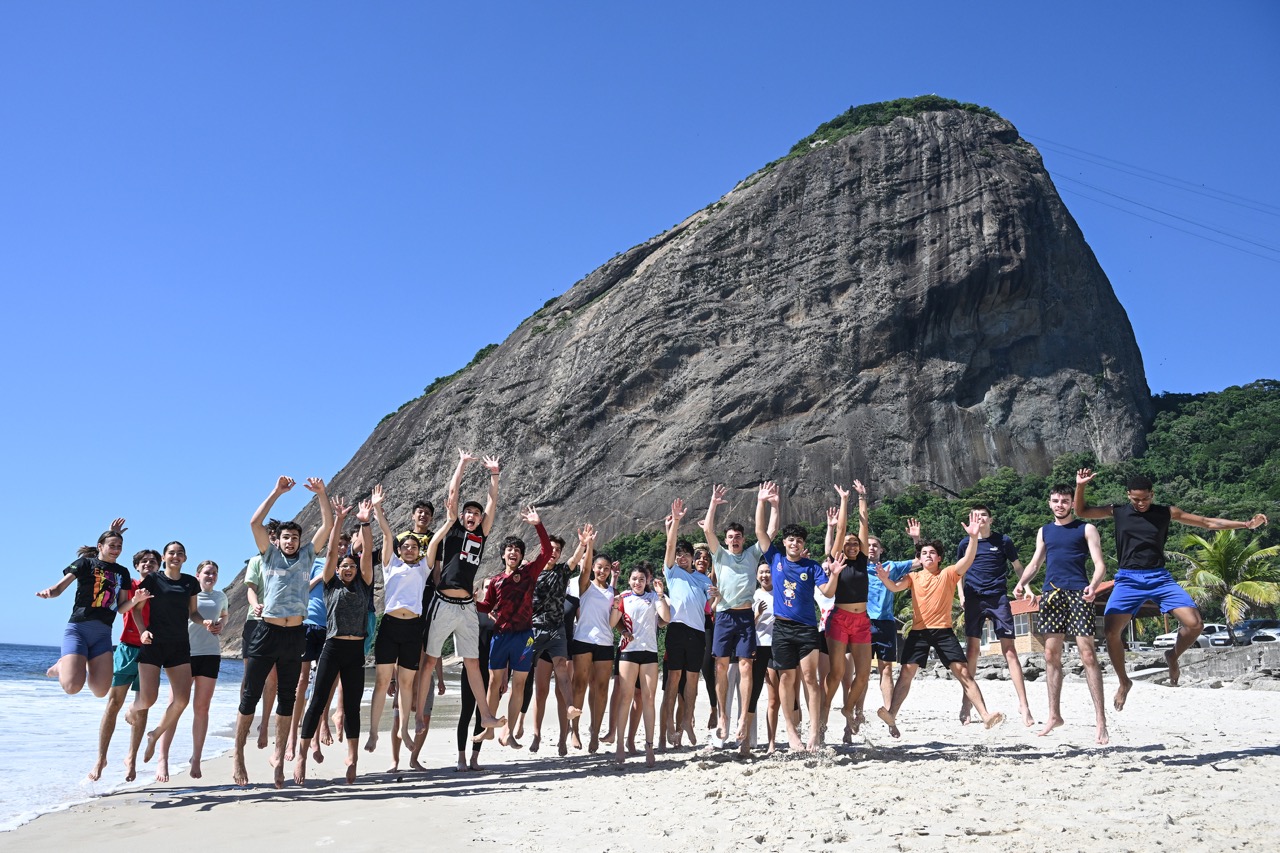
An international training camp organised by the International Fencing Federation (FIE) hit all the right notes ahead of the Junior and Cadet Fencing World Championships in Rio de Janeiro in April.
With a focus on athlete performance, welfare and education, the camp brought together over 80 young fencers from all five continents at the Escola de Educação Física do Exército (EsEFEx).
In support of the national federations and the promotion of universality, 34 athletes representing 31 countries in Africa, Asia-Oceania, Europe and Pan-America received direct financial support from the FIE to attend the camp. Essential costs such as those for flights, accommodation, visas and meals were covered by the FIE.
Additionally, fencers from 10 countries with fewer than 50 Olympians at the previous edition of the Olympic Games received Olympic Solidarity funding to take part in the camp.
“It’s a very great experience with all of these amazing fencers from all these different countries,” said said 19-year-old sabreur Daniel Posy (HAI). The 19-year-old added that he hoped the experience gained from attending the camp would help him achieve his goal of one day representing Haiti at the Olympic Games and becoming a World Champion.
Beginning on 24 March, the camp brought together all three weapons for two daily training sessions, concluding the day before each World Championship competition—30 March for sabre, 2 April for foil, and 5 April for epee.
The training was open to all Junior and Cadet World Championship participants, and more than 50 additional fencers heeded the call, resulting in significant international exchange and a more competitive training environment.
“It’s nice because you get to talk to everybody and get to know them, both on the track and culturally,” said Lucía Ogñenovich, a 16-year-old epeeist from Argentina. “I’m looking forward to getting to know myself better on the piste, to improving my fencing, and getting inspired by the fencing styles others have.”
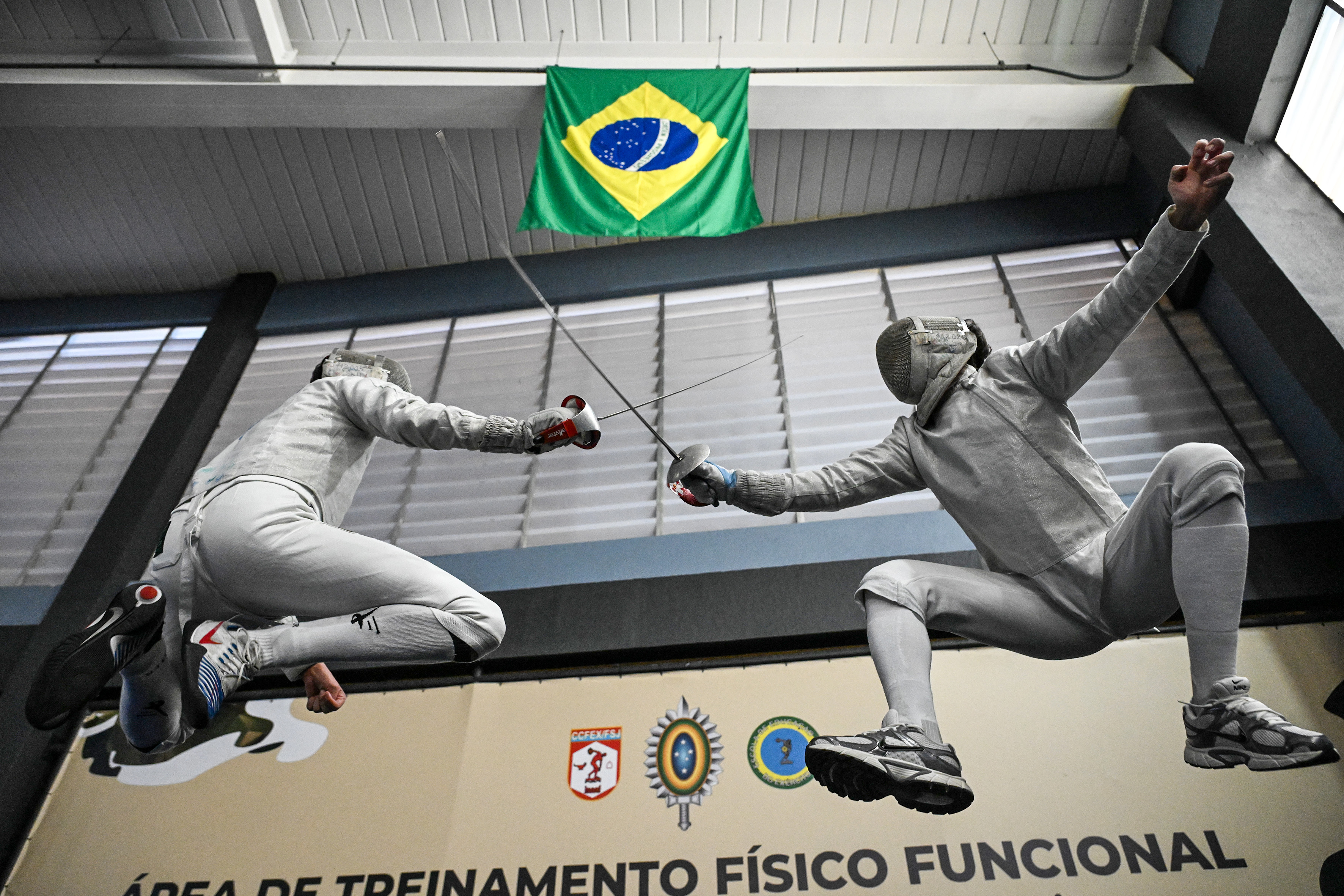
An expert team of technical officials led by head coach Stefano Cerioni (ITA) oversaw training in epee, foil and sabre. Sessions included group warm-ups, individual lessons, theoretical and tactical explanations, competition simulations, and other activities designed to optimise readiness for competition.
Another important module was dedicated to teaching the athletes how best to review and prepare their equipment before competitions to reduce the likelihood of technical issues.
In collaboration with the IOC Athletes’ Commission, the camp also included a three-day educational component called “Power Up Your Future”. This Athlete365 Career+ Workshop was led by two-time Olympic taekwondoin Gabriel Sagastume (GUA), who provided participants with tools to aid in career planning and personal development, both on and off the field of play.
The athletes also benefitted from the teachings of two fencing greats: London 2012 gold medallist and FIE Athletes’ Commission President Ruben Limardo (VEN) and two-time Olympian and fellow Athletes’ Commission Member Ziad Elsissy (EGY). The two participated in training with the young fencers and delivered motivational speeches based on their own experiences in the sport. They also took the time to explain the role and mission of the FIE Athletes’ Commission and how it works to support fencers around the world.
Some of the training camp attendees turned what they learned into immediate dividends at the World Championships, with fencers from Ecuador, Lithuania, Moldova and Venezuela all placing in the top 15 of their respective categories. Nineteen-year-old foilist Larissa Pensa (MDA) emerged as the cream of the crop, winning silver in the Women’s Junior Teams event.
The camp’s educational elements aligned with the FIE’s broader development objectives set out in its 2025-2028 Strategic Plan and, alongside the technical training, delivered a deeply enriching experience for the athletes. Ultimately, the camp gave participants opportunities to grow both within and beyond the sport that they can carry with them for life.